
Mastering Web Analytics: A Comprehensive Guide for Beginners
Web analytics is an essential tool for any business that wishes to thrive in the digital landscape. Understanding how to analyze and interpret web data can lead to informed decision-making and improved website performance. In this article, we will explore the fundamentals of web analytics, essential tools, methodologies, and best practices. By the end, you will have a clearer understanding of how to harness the power of data to optimize your website effectively and drive business growth.
For more insights on web analytics, visit learn web analytics https://accs-net.com/.
What is Web Analytics?
Web analytics is the collection, measurement, and analysis of web data to understand and optimize web usage. This involves tracking user behavior, understanding traffic sources, and measuring the effectiveness of various online marketing strategies. The ultimate goal of web analytics is to enhance user experience and achieve business objectives, whether that be increased sales, higher engagement, or stronger brand loyalty.
The Importance of Web Analytics
In today’s competitive online environment, having

a website is not enough. It’s critical to understand how users interact with your site to make strategic decisions that align with your business goals. Here are some reasons why web analytics is important:
- Data-Driven Decisions: Web analytics helps businesses move from intuition-based to data-driven decision-making.
- Improving User Experience: By understanding how visitors navigate your site, you can make informed changes to enhance user experience.
- Benchmarking and Goals: Analytics enables you to set measurable goals and track performance over time.
- Optimizing Marketing Campaigns: You can identify which marketing campaigns are most effective and allocate resources accordingly.
Key Metrics in Web Analytics
Understanding the key metrics is crucial for analyzing web data effectively. Here are some of the most important metrics to monitor:
- Page Views: The total number of pages viewed during a specific timeframe. This metric indicates overall site engagement.
- Unique Visitors: The number of distinct users visiting your site within a given time period. This helps gauge the reach of your website.
- Bounce Rate: The percentage of visitors who leave your site after viewing only one page. A high bounce rate can indicate issues with content relevance or user experience.
- Average Session Duration: The average length of time users spend on your site. Longer sessions typically indicate higher engagement levels.
- Conversion Rate: The percentage of visitors who complete a desired action, such as making a purchase or signing up for a newsletter.
Popular Web Analytics Tools
Numerous tools are available to help you analyze web data, each with its own unique features. Here are some of the most widely used web analytics tools:
- Google Analytics: The most popular and comprehensive web analytics tool available, offering a wealth of data about website traffic and user behavior.
- Adobe Analytics: A robust platform that provides advanced data analytics and segmentation capabilities, suitable for larger enterprises.
- Matomo: An open-source analytics platform that gives users full control over their data, emphasizing privacy and data ownership.
- Clicky: A real-time web analytics tool that offers a user-friendly interface and various features, including heatmaps and uptime monitoring.
How to Get Started with Web Analytics
If you are new to web analytics, here are some steps to help you get started:
- Define Goals: Begin by clearly defining what you hope to achieve with your website. Whether it’s increasing sales, generating leads, or enhancing user engagement, having specific goals will help you focus your analytics efforts.
- Choose Your Tools: Select an analytics platform that aligns with your skill level and business needs. Google Analytics is a great starting point for beginners.
- Install Tracking Code: Set up the chosen analytics tool on your website by installing the tracking code correctly. This code collects data about user behavior on your site.
- Understand Your Data: Familiarize yourself with the various reports and metrics available in your analytics tool. This will enable you to interpret the data effectively.
- Make Data-Driven Improvements: Use the insights gathered from analytics to make informed changes to your website that support your business goals.
- Regularly Review Your Analytics: Set a routine to review your analytics data consistently. This will help you stay informed about user behavior and make timely adjustments as necessary.
Best Practices in Web Analytics
To maximize the effectiveness of your web analytics efforts, consider adopting the following best practices:
- Segment Your Audience: Create segments based on user demographics, behavior, and traffic sources to gain deeper insights into specific user groups.
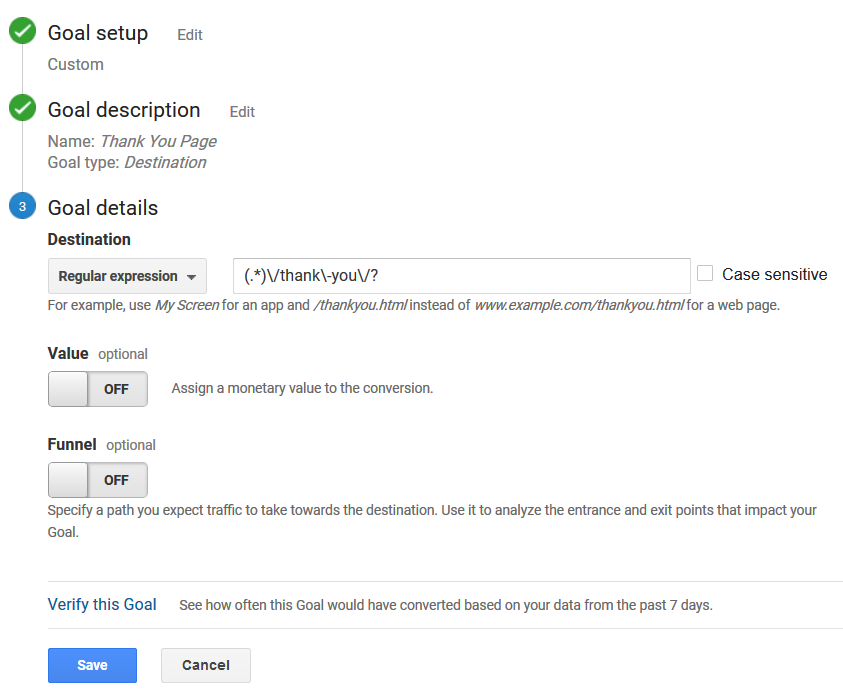
- Set Up Goals and Funnels: Take advantage of goal tracking and funnel visualization features in your analytics tool to monitor user journeys and identify drop-off points.
- Utilize A/B Testing: Regularly test different website elements to determine what works best for your audience and leads to improved conversion rates.
- Focus on User Engagement: Analyze metrics that reflect user engagement and adjust your content strategy to enhance user experience.
- Stay Informed: Web analytics is a continuously evolving field. Keep up with the latest trends and practices to enhance your analytics skills.
Conclusion
Web analytics is an indispensable aspect of modern digital marketing and online business management. By understanding the metrics that matter, utilizing the right tools, and implementing best practices, you can unlock valuable insights that drive success. Whether you are a small business owner or a marketing professional, mastering web analytics will empower you to make informed decisions and keep your website in tune with your users’ needs. Start your journey today and take advantage of the wealth of data available at your fingertips.