Is Saudi Arabia a Sanctioned Country?
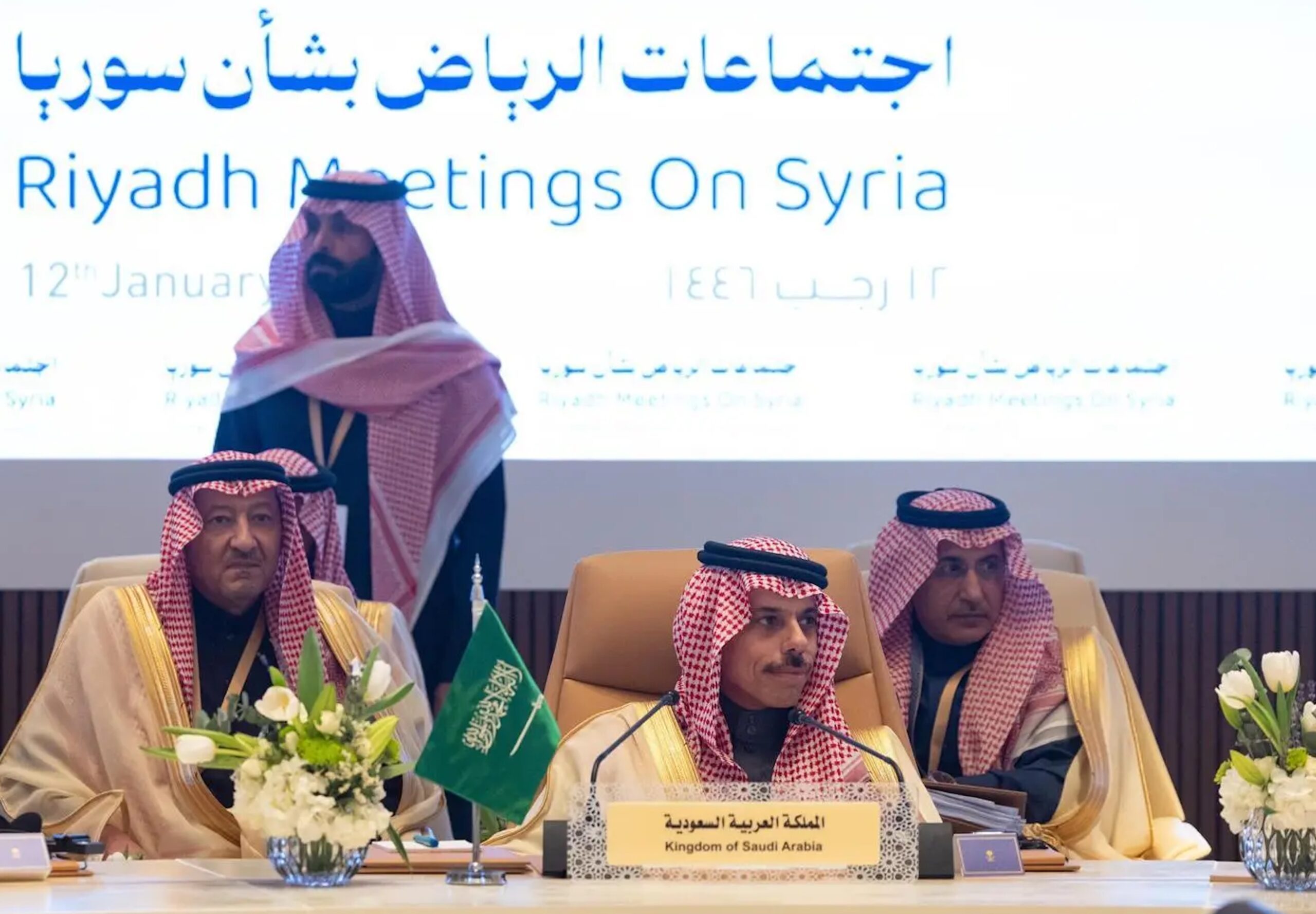
The question of whether Saudi Arabia is a sanctioned country is intricate and multifaceted. Various international entities, including the United Nations and individual countries, have their own stances regarding sanctions. For an in-depth understanding, you can refer to the detailed analysis available at is Saudi Arabia a sanctioned country https://www.freetastesgood.com/wp-content/pgs/is-saudi-arabia-a-sanctioned-country.html. In this article, we will dissect Saudi Arabia’s geopolitical standing, recent developments, and the nature of sanctions that may affect it.
Historical Context of Sanctions on Saudi Arabia
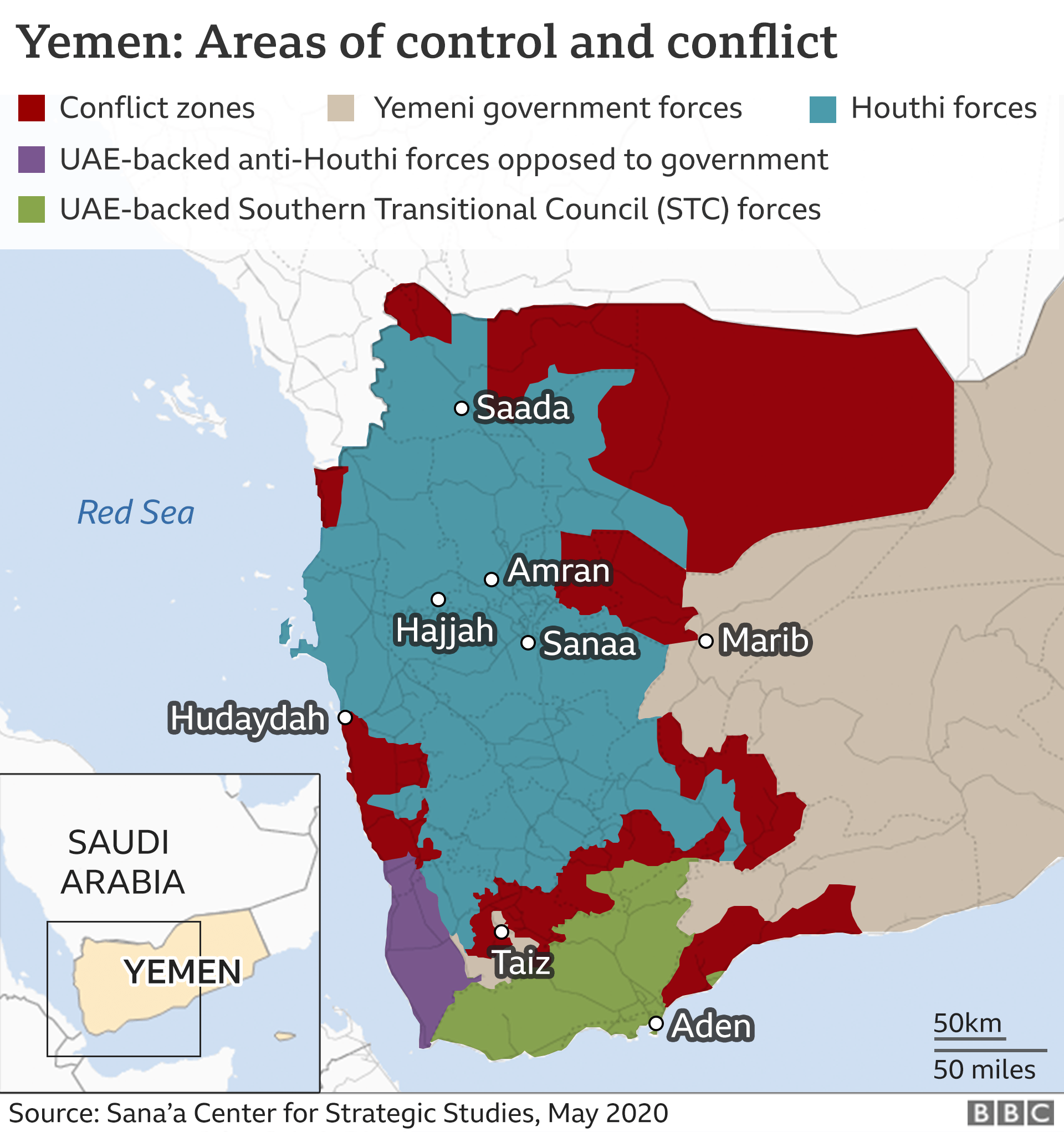
Historically, Saudi Arabia has maintained a robust relationship with Western powers, particularly the United States. Their partnership has been anchored in economic, military, and energy interests. However, the Kingdom has faced criticism over human rights issues, the war in Yemen, and the murder of journalist Jamal Khashoggi, which have led to discussions about imposing sanctions on key individuals and entities within the country.
Current Status of Sanctions
As of now, Saudi Arabia is not broadly sanctioned as a nation by primary international bodies such as the United Nations. However, several countries, particularly the United States, have applied targeted sanctions on specific individuals and organizations associated with human rights violations and military actions. These sanctions often include travel bans and asset freezes rather than comprehensive economic sanctions that could cripple the Kingdom’s economy.
U.S. Sanctions Against Saudi Individuals
In recent years, the U.S. has targeted Saudi individuals in response to alleged human rights abuses. For instance, following the assassination of Khashoggi, the U.S. sanctioned members of the Saudi government, including high-ranking officials. These targeted sanctions signal disapproval of specific actions without imposing penalties on the country as a whole. The rationale behind these sanctions is to hold accountable those perceived to be responsible for severe breaches of human rights.
The Implications of Sanctions
The implications of these targeted sanctions can be significant. They may strain diplomatic relations and affect Saudi Arabia’s global image. However, the Kingdom’s vast oil reserves and its status as a key player in OPEC minimize the likelihood of widespread sanctions. As long as Saudi Arabia plays an essential role in global oil markets and maintains strategic partnerships, broad sanctions may be seen as a double-edged sword, with potential repercussions not only for Saudi Arabia but also for the global economy.
International Relations and Geopolitical Dynamics
Saudi Arabia’s international relations are influenced by various geopolitical factors. The Kingdom has historically aligned itself with Western countries, especially in the context of countering Iran’s influence in the region. This relationship complicates the sanctions discourse, as many Western countries weigh the political benefits of maintaining ties with Saudi Arabia against the moral imperatives related to human rights.
Economic Considerations
Economically, Saudi Arabia remains pivotal, being one of the world’s largest oil producers. The country’s economy is heavily reliant on oil exports, which comprise a significant portion of its GDP. Sanctions that could impair Saudi Arabia’s ability to export oil would not only affect the Kingdom’s economy but might also lead to global energy market disruptions. This economic interdependence often serves as a buffer against comprehensive sanctions.
The Role of Regional Politics
Regional politics also play a crucial role in the sanctions discussion. Saudi Arabia is a key player in the Middle East, involved in various conflicts and alliances that shape its political landscape. The Kingdom’s military involvement in Yemen and its rivalry with Iran often draw international scrutiny. However, these factors also lead to selective responses from international actors, swaying them towards diplomatic solutions rather than comprehensive sanctions.
Human Rights and Criticism
Human rights organizations have persistently criticized Saudi Arabia for its record on civil liberties and political freedoms. The international community continues to call for accountability regarding the treatment of dissidents and activists within the Kingdom. With growing global awareness and advocacy, there is potential for more extensive sanctions should the situation not improve. Advocates argue that holding the Saudi leadership accountable is crucial for long-term change.
Conclusion: Is Saudi Arabia a Sanctioned Country?
In summary, while Saudi Arabia faces targeted sanctions concerning specific individuals and actions, it is not broadly sanctioned as a country. Its geopolitical importance, economic power, and strategic alliances contribute to its ability to navigate through periods of criticism and scrutiny. However, the situation remains dynamic, and ongoing developments in domestic and international politics will ultimately influence the Kingdom’s sanction status in the future. As global attitudes towards human rights evolve, the Kingdom’s actions will be closely monitored, and new measures could be applied if there is no progress in addressing these critical issues.